
Roofing Contractor Denver, CO
That One Construction Co. works with homeowners in Denver, CO who need a roofing contractor with real experience handling insurance claims, navigating Denver’s permitting process, and replacing roofs on houses that range from 1920s bungalows to homes built in the 2010s. We handle the full process: inspection, claim documentation, permit, installation, and final walk, for homeowners dealing with storm damage or a roof that has run its course.
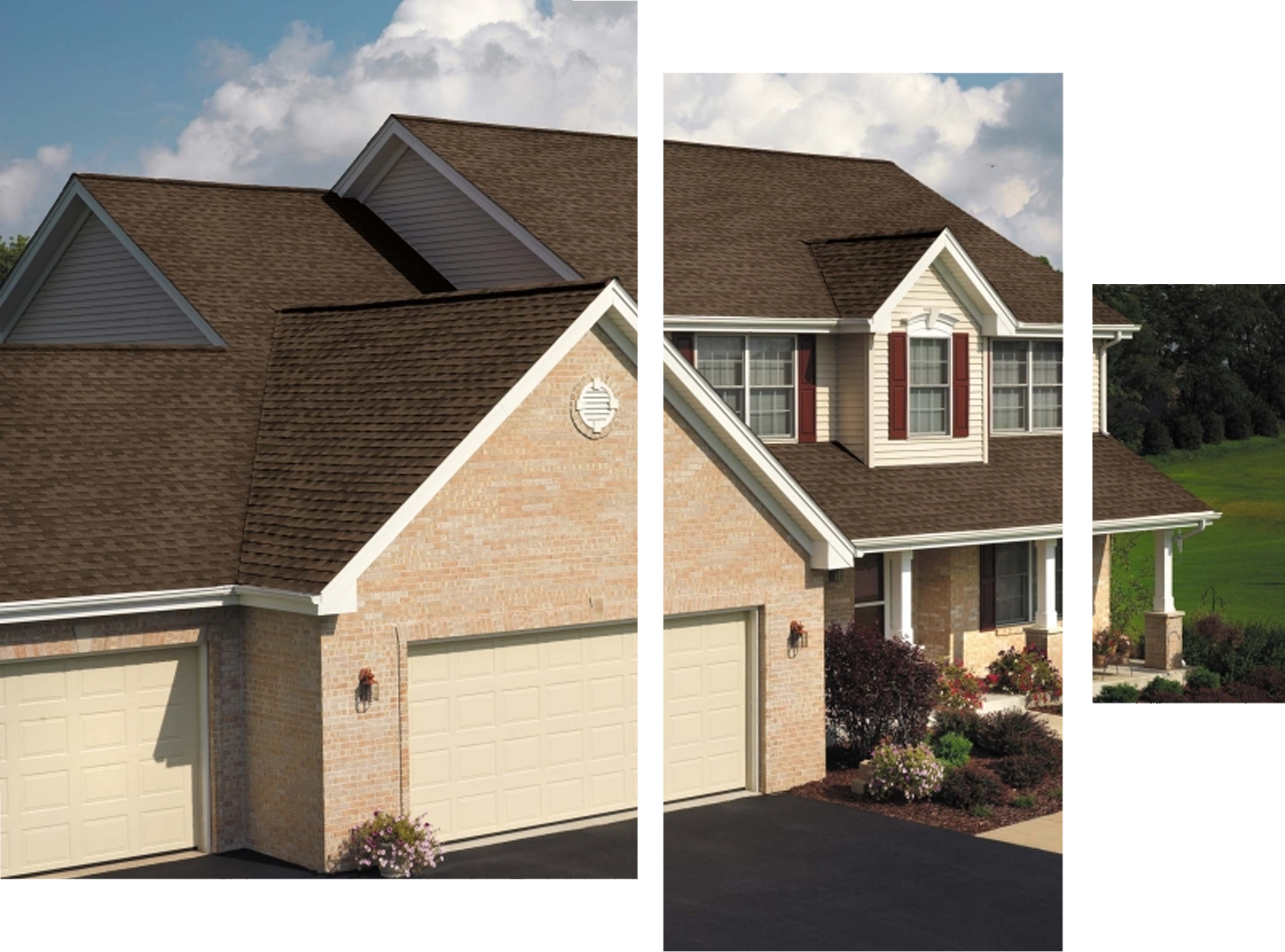
Denver's Biggest Hailstorm in Recorded History Happened Last Year
On the night of May 30, 2024, a severe thunderstorm tracked southeast from Erie through northeastern Denver and into the surrounding communities. The National Weather Service issued a rare “destructive” Severe Thunderstorm Warning, a designation reserved for life-threatening hail. NWS Boulder confirmed the largest hailstone measured in Denver County since records began in 1950: 2.75 inches across. Multiple neighborhoods reported hail accumulating a foot deep in yards, on sidewalks, and against garage doors. By morning, many homeowners had no idea what had happened to their roofs while they were asleep.
The final insured loss total came in at $1.9 billion, making it Colorado’s second-costliest hailstorm ever. The costliest was May 8, 2017, when baseball-sized hail tracked northeast through the western suburbs and into Denver proper, punching holes in roofs and shattering skylights across the damage corridor. That event produced $2.3 billion in metro-wide insured losses. Before 2017, the benchmark was a July 2009 storm that hit the western suburbs and Denver for $1.4 billion, the largest Colorado had seen at the time.
Three billion-dollar hail events in fifteen years, two of them in the last seven. Denver is not on the edge of hail country. It is in the middle of it, and its homes reflect that.
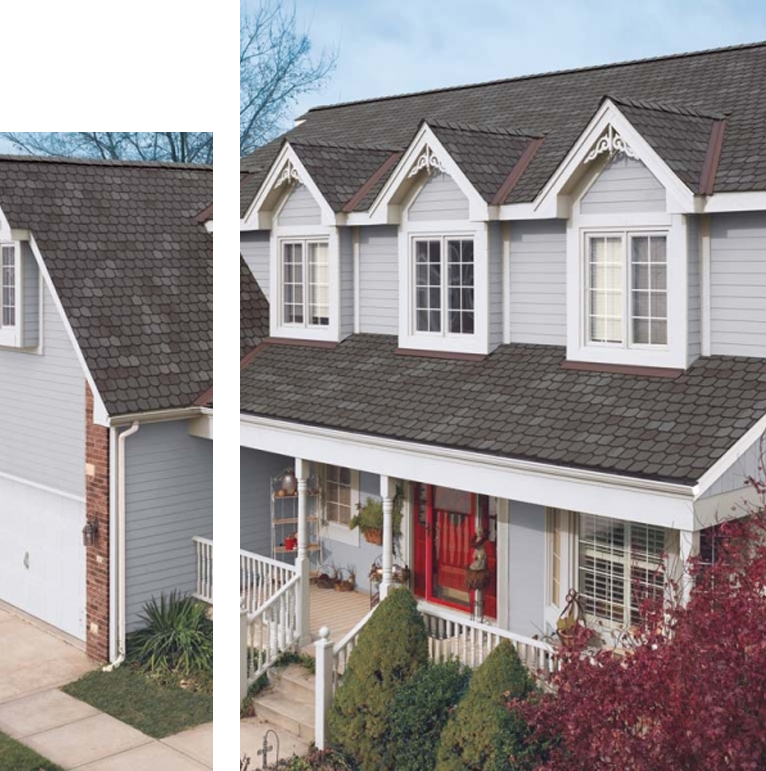
Nearly a Quarter of Denver's Homes Have Been Through This Before
Denver’s median home build year is 1974, but that number does not tell the real story. Twenty-two percent of Denver’s homes were built before 1950, the highest pre-1950 share of any city in this research set. The established residential neighborhoods that define much of the city, including Capitol Hill, West Colfax, Baker, Whittier, Berkeley, Park Hill, Harvey Park, Westwood, and Barnum, are full of Victorian-era homes, 1920s bungalows, and postwar ranches that have been through multiple roof replacement cycles already.
A home built in 1928 or 1948 is not approaching its first replacement. It is approaching its third or fourth. The question for homeowners in those neighborhoods is not whether the roof is original (it never is), but whether the current installation was done correctly, whether the deck underneath is sound, and whether anyone addressed ventilation when it was last replaced.
Older Denver homes also carry a consideration that comes with age: asbestos. Homes built through the late 1970s frequently have asbestos-containing material in older underlayment layers. Colorado law requires a CDPHE-certified asbestos inspection and removal before re-roofing, and Denver’s building department may require proof before issuing a permit. For a city with 22 percent of its homes built before 1950, this is a routine part of the job, not a surprise. Contractors who have worked in Denver’s older neighborhoods know to account for it in scope and scheduling from the start.
Storm Damage and Aging Roofs: How Most Denver Calls Start
Three Wind Zones, Nine Hail Days a Year, and Altitude UV
compared to a national average of 2 to 3. Front Range elevation means hailstones have less atmosphere to fall through and less time to slow down before impact. Eastern Colorado regularly sees stones 1 to 2 inches across. The 2024 event set a Denver County record at 2.75 inches.
The wind picture in Denver is more complicated than in most cities, because Denver has three distinct wind speed zones codified in its building code. Properties east of Federal Boulevard require shingles rated to a minimum of 115 mph. Between Federal and Sheridan, the minimum is 125 mph. From Sheridan to Kipling, covering western Denver neighborhoods including Westwood, Harvey Park, Bear Valley, and the areas closest to the foothills, the minimum is 140 mph. These are not guidelines. They are code requirements, and shingles must carry the ASTM D7158 rating for the applicable zone.
The practical implication: a contractor speccing the same shingles for a home in Montbello and a home in Harvey Park is either under-speccing the Harvey Park job or over-speccing the Montbello one. The material decision is not uniform across Denver. It depends on where the house sits.
At 5,280 feet, UV intensity degrades shingle granules faster than at lower elevations. A roof in Denver may age faster than its warranty years suggest if those warranties were written for performance at sea level. Shingle grade and product selection matter more here than in most markets.
How Permits Work in Denver, including What Most Contractors get Wrong
Denver’s permitting system is detailed and worth understanding before a roofing project begins.
Contractor licensing in Denver is more specific than in most Colorado cities. Residential shingle work requires a Class D Roofing Shingles supervisor certificate plus a Denver contractor’s license. The process is fully online, and Denver licenses do not automatically reciprocate with neighboring jurisdictions. A contractor licensed elsewhere in the metro needs a separate Denver license to pull permits here. The Class D certificate requires a minimum of 24 documented roofing projects across 24 different months. The licensing barrier is real, and it is higher than some surrounding cities.
A permit is required for any re-roofing job. For residential homes under 25,000 square feet, a permit is triggered if repairs exceed 10 percent of the roof area or two roof sections, whichever is smaller. All new penetrations (skylights, HVAC units, pipes, solar) require a permit regardless of area.
One code item worth noting specifically: Denver explicitly does not require ice and water shield at eaves or rakes. Denver’s official April 2024 Roofing Guide states this directly. Most surrounding cities do require it. Denver does not, except in valleys and around penetrations. A crew that installs it everywhere out of habit on a Denver job is not wrong, but crews that skip it at the eaves on a Denver project are within code. Knowing which rule applies where matters when you are working across multiple jurisdictions.
Denver allows re-roofing permits through its Quick Permits program, with a 24 to 72-hour turnaround via email submission. After a major hail event, when building departments across the metro back up for weeks, that processing speed is a practical advantage.
Two inspections typically apply: a mid-roof inspection if flagged at pre-inspection, and a final. Denver also allows an independent third-party inspection in lieu of the city inspector, from an approved list maintained by the building department. That One Construction Co. is familiar with Denver’s permit process, handles the application, and manages inspections through to completion.
One note for homes in Denver’s historic districts: Capitol Hill, Berkeley, Highlands, Curtis Park, Park Hill, and others carry landmark review requirements. Changing roofing materials on a contributing historic property may require approval from Denver Community Planning and Development before work begins. If your home falls in a historic district, we will check that before anything is ordered.
Why Denver Homeowners Work with That One Construction Co.
Before we start any job, we send you a prep email. It tells you exactly what the crew will do, what to have ready, and what to expect from start to finish. That email is not a formality. It is how we set accurate expectations on the front end so there are no surprises on the day the crew shows up. Most roofing contractors do not do this. The homeowner experience matters as much as the installation quality, and miscommunication at the start of a job costs everyone time.
We do not steer people into a replacement they do not need. The threshold we use is the same one insurance companies use: a roof is a total loss at 50 percent damage. A lot of contractors call for full replacement at 10 percent. We do not. Every crew member is trained to this standard. If your roof can be repaired, we will tell you that, even when it costs us the job. In Denver, where the post-storm contractor surge after major events brings in companies from out of state chasing claim volume, that distinction matters. There are contractors in Denver after every big hail event who have never worked in the city before and will not be there next season. That One Construction Co. is not one of them.
When a claim does need to go through, we stay with it. About 80 percent of what we do is insurance claim work, and we have staff whose primary job every day is talking with insurers. Not as a side task. That is their actual job. We meet the adjuster on-site, document the damage to Denver’s code standards (including the zone-specific wind rating requirements that out-of-state adjusters sometimes miss), handle the estimate, and work through disputes if the initial number comes in short. Denver homeowners who have been through a claim before know that the first settlement offer is not always the right one. We know how to navigate that.
Your Denver Roofing Company
That One Construction Co. serves Denver and the surrounding area, including Aurora, Lakewood, Englewood, Wheat Ridge, Thornton, Commerce City, and Arvada. If you are dealing with hail damage from the 2024 storm or an earlier event, an aging roof on one of Denver’s older homes, or you just want a roofer near you who will give you a straight answer on what your roof actually needs, call us for a free inspection. We will come out and tell you what we find.
Denver, CO ZIP Codes
80012, 80014, 80022, 80033, 80123, 80127, 80201, 80202, 80203, 80204, 80205, 80206, 80207, 80208, 80209, 80210, 80211, 80212, 80214, 80215, 80216, 80217, 80218, 80219, 80220, 80221, 80222, 80223, 80224, 80225, 80226, 80227, 80228, 80229, 80230, 80231, 80232, 80233, 80234, 80235, 80236, 80237, 80238, 80239, 80241, 80243, 80246, 80247, 80248, 80249, 80250, 80256, 80257, 80259, 80260, 80261, 80263, 80264, 80265, 80266, 80271, 80273, 80274, 80281, 80290, 80291, 80293, 80294, 80299