
Roofing Contractor Parker, CO
That One Construction Co. works with homeowners in Parker, CO who need a roofing contractor with real experience handling insurance claims, navigating a permit process that includes a partial plane replacement rule that reshapes how every storm damage scope gets written, and replacing roofs on the 2000s homes that make up the core of this town. We handle the full process from the initial inspection through the final walk, for homeowners dealing with hail damage or a roof that has reached the end of its run.
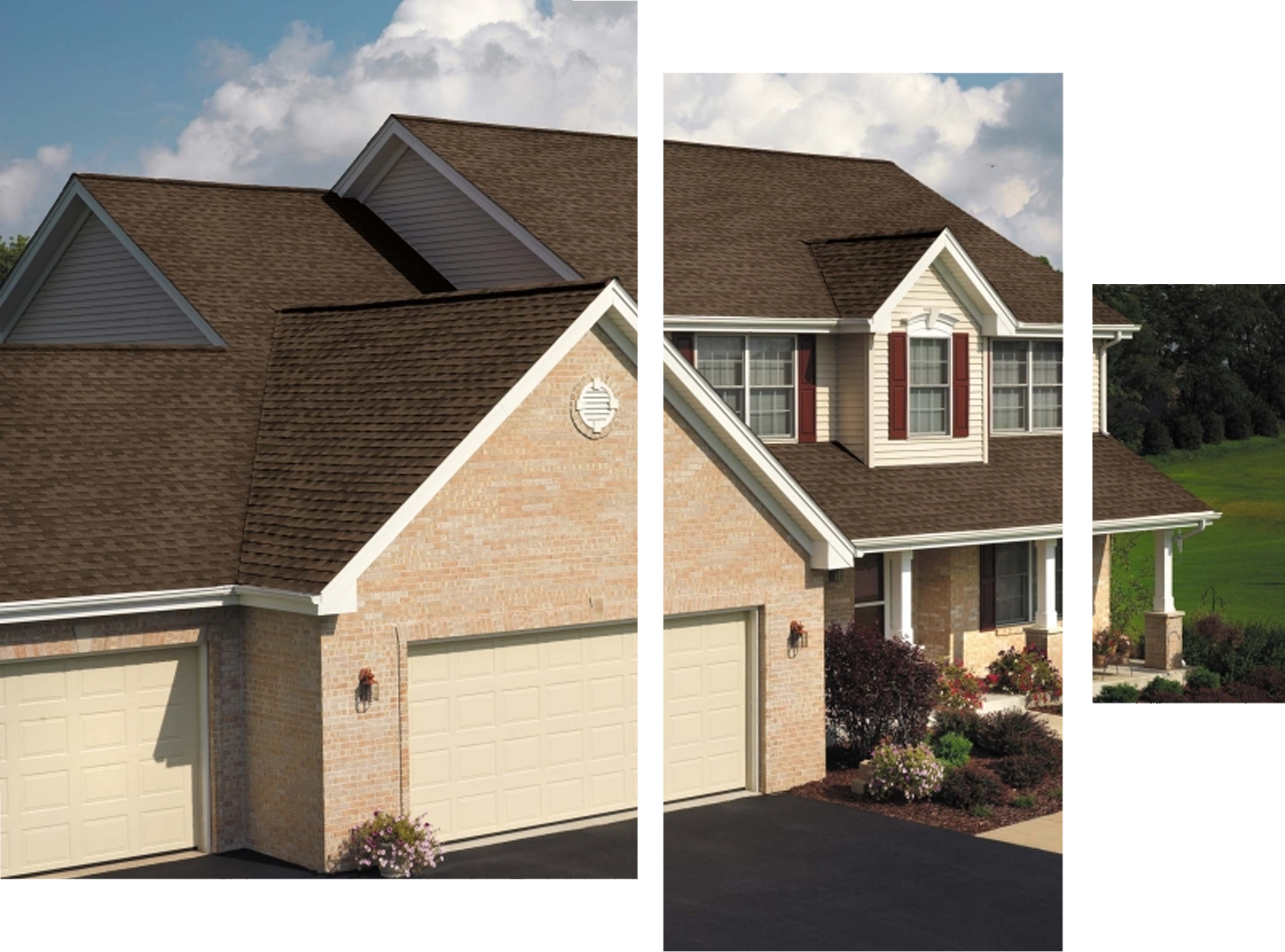
Parker Sits on the Palmer Divide, the Most Hail-Active Terrain in the United States
Testimonials
What Our Customers Say
Don't just take our word for it - hear from satisfied customers
Posted on ThumbtackVerified Our experience was absolutely phenomenal from beginning to end, and we couldn’t be happier with our new roof/gutters. The estimate was clear, simple and there weren’t any surprises. I would highly recommend this That One Construction Company if you want expert work, done right, clear & concise communication, and no surprises. Will definitely use them on our next home.Posted on ThumbtackVerified Joe Huber was helpful and communicated effectively. A few employees made a mistake with the service date but cleaned up and were very friendly throughout the process, and then came on the correct date. Joe was open about cost and service from the start and That One Construction did the work for a fraction of the expected cost.Posted on ThumbtackVerified Joe was there when he said he would be, responded promptly to questions via text, and made my scheduling request work. The garage is re-roofed and my gutters are installed. Done and Done. No muss, no fuss and no unexpected costs. Thanks Joe!Posted on ThumbtackVerified Great work for a good price!Posted on ThumbtackVerified Great work, great service, 10/10 would recommendPosted on ThumbtackVerified Joe was incredibly responsive in getting me a fast quote and always responded quickly to my inquiries. His quote was very reasonable and gave me good advice on roofing options. The work was done the day he said it would be and the quality was excellent. Plus, he's a really easy person to get along with and is a genuinely nice guy. I won't hesitate to have him quote any future projects for me!Posted on ThumbtackVerified That One Construction Company did a great job replacing my roof. I had a tight timeframe to complete the replacement and they got it done on time as promised. Joe was very responsive and made the process easy.Posted on ThumbtackVerified Joe was a pleasure to work with: quality work at a fair price, great communication through the process, and a genuine desire to make customers happy. We highly recommend That One.Posted on ThumbtackVerified We received three quotes for our roof and That One Construction Company was the most affordable option. Joe, the owner, had flexible hours for meetings (quote and going over the plan) and he was very knowledgeable understanding our needs. We needed our roof re-decked and there were other requests for new vents and covering old vents. We were very happy with the work and interactions with all the people associated with the company and we would recommend them to others.Posted on ThumbtackVerified 5 Star!!! We hired Joe to be our main contractor after a tree fell on our shop wrecking the deck, the stucco and putting a hole in the roof, plus other misc damage. He did an excellent job managing the project. He handled everything with professionalism and plenty of communication which made the process a lot less stressful. He also did a lot if the work himself, his work was very well done and our shop turned out super nice! Thanks Joe!
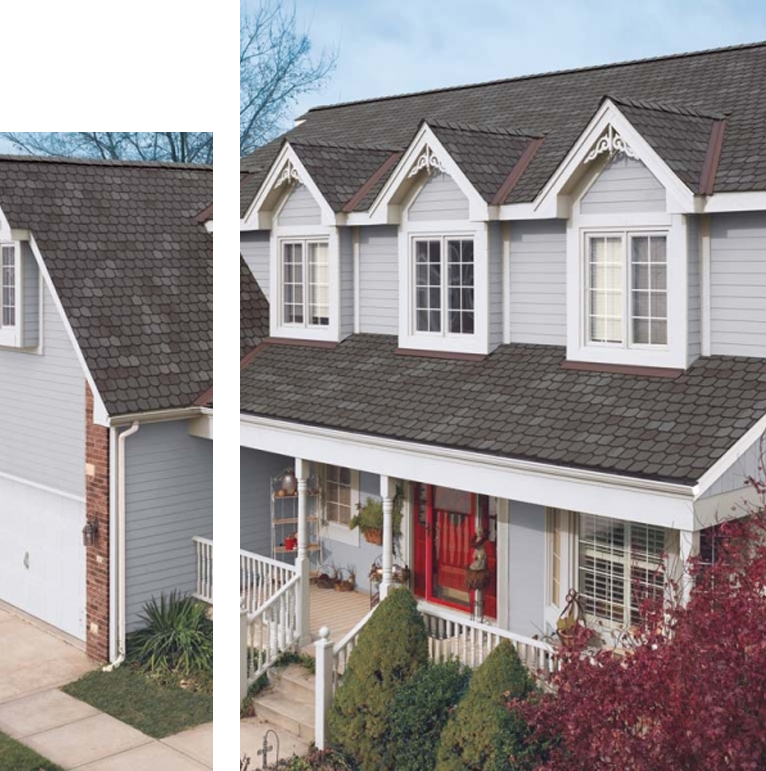
A Town Built Primarily in the 2000s Is Now Seeing Its First Wave of Roof Replacements
Three Documented Hail Events in Five Years and What Cumulative Damage Does to a 2004 Roof
In June 2018, multiple supercell thunderstorms tracked across the Palmer Divide, dropping hail up to 1.75 inches across Parker and the surrounding area. Local documentation confirmed coverage across nearly every neighborhood in Parker proper. The 2018 event was part of a broader Colorado hail season that produced close to $3 billion in statewide insured losses.
In June 2019, back-to-back storms hit Parker and Douglas County across multiple events within the same month. Some neighborhoods were struck twice within a single week. Interactive Hail Maps recorded 57 ground spotter reports near Parker for the 2019 season. The compounding effect of consecutive events accelerated replacement cycles across Stonegate, Stroh Ranch, and adjacent neighborhoods that had already absorbed 2018 damage.
In July 2023, a late-season storm produced up to 2-inch hail in parts of Douglas County, generating thousands of new damage claims across Parker and surrounding communities. Local contractors documented 2023 as one of the most active hail years on record for the Parker corridor. A homeowner whose 2004 roof absorbed damage across 2018, 2019, and 2023 is not dealing with a single insurance event. They are dealing with a roof whose effective functional life has been shortened by repeated exposure, and a single-event claim may not capture the full picture of what that roof actually needs.
Hail damage from any one of those events is not always visible from the ground. Granule loss, shingle bruising, cracked pipe jacks, and bent flashing require a roof-level inspection to document properly. That One Construction Co. will meet your insurance adjuster on-site, document what we find, handle the estimate submission, and stay with the claim through reinspections and disputes if the initial settlement does not reflect what the damage warrants. We have staff whose job every day is communicating with insurance companies. Separate wind and hail deductibles are common in Colorado policies, and those deductibles are often a percentage of the home’s insured value rather than a flat dollar figure. We help homeowners understand what their policy actually says before they commit to anything.
If the roof is showing age but storm damage is not the primary driver, the conversation is still the same starting point: a free inspection, an honest assessment of what the roof needs, and a recommendation that reflects the actual condition rather than the largest possible job. We apply the same threshold insurance companies use: we do not recommend replacement unless the damage or age warrants it.
Parker's Permit Process Includes a Partial Plane Rule That Changes the Scope of Every Insurance Claim
Parker operates as a statutory town with its own building division and contractor licensing requirement. Contractors must contact Parker’s Building Division directly to set up their account and licensing before pulling any permit. All permit applications are submitted and approved online through eTRAKiT, the town’s permitting portal. Starting work before permit issuance results in a triple permit fee penalty.
A permit is not required for minor repairs or for replacing less than one square, which is 100 square feet, of roof surface. For any re-roofing work that exceeds that threshold, a permit is required. Parker currently operates under the 2021 International Building and Residential Codes, which were adopted effective January 1, 2022. The town has 2024 I-Code adoption scheduled, so confirming the current adopted code edition with Parker Building Division at 303-841-1970 before a project begins is worth the call.
The detail that most often reshapes an insurance claim scope in Parker is the partial plane rule. Once a permit is triggered, any replacement must include the entire roof plane, which is the full facet of the roof containing the damaged area. Replacing only the damaged squares within a plane is not permitted. An insurance adjuster who writes a scope for the specific damaged area without accounting for Parker’s full-plane requirement has written a scope that does not meet town code. That One Construction Co. knows this rule and documents it in claim submissions from the start, which is how a homeowner avoids discovering mid-project that the approved scope needs to be renegotiated.
For standard asphalt shingle re-roofs, Parker requires only a final inspection. A mid-roof inspection is required for specialty systems including tile, slate, solar shingles, EPDM, flat roofs, and stone-coated steel, but not for standard asphalt work. One operational detail worth knowing: Parker caps residential roofing final inspections at 35 per day. After a major hail event, that cap can create scheduling backlogs that stretch into weeks. Contractors who work Parker regularly and submit permit applications promptly after a storm are in a better position to keep projects moving than those who enter the queue late.
Drip edge is required at eaves and rake edges of all shingle roofs. Plank decking with gaps exceeding one quarter of an inch must be re-decked with minimum 7/16-inch OSB before new roofing goes down. Ice and water shield is not required in Parker. The town’s elevation at 5,869 feet falls below the 7,000-foot threshold that triggers the ice barrier requirement under the locally adopted code.
HOA approval is standard in Parker. Virtually all of the town’s master-planned communities, including Stonegate, Stroh Ranch, Idyllwilde, Pradera, Lincoln Creek, and Canterberry Crossing, have active architectural review requirements for roofing material and color changes. Some have specific approved material lists. That One Construction Co. treats HOA coordination as a standard workflow step for every Parker project.
Why Parker Homeowners Work With That One Construction Co.
We use CertainTeed ShingleMaster products as our preferred roofing system. CertainTeed’s SureStart Plus warranty provides coverage that standard manufacturer warranties do not, and it only activates when installed by a ShingleMaster-certified contractor. For a Parker homeowner making a first replacement decision on a 2004 home that has absorbed hail across multiple storm seasons, knowing what was installed, how it was installed, and what the warranty covers going forward matters more than it would in a market with lighter hail exposure. We document every installation to that standard.
We send a prep email before work begins that walks the homeowner through exactly what to expect: what the crew will do each day, how the permit and inspection process will unfold, how HOA coordination fits into the timeline, and what the property will look like when we leave. Parker’s HOA coordination requirement applies on virtually every job, and the inspection cap means scheduling can shift after a major storm. Knowing what to expect before any of that starts is the difference between a project that feels managed and one that feels like it’s happening to you.
That One Construction Co. is independently owned with no private equity investors and no outside financial pressure. Joe makes the calls. When we tell you what your roof needs, it reflects what the inspection found, not what a production quota requires. Several members of our crew came from PE-acquired roofing companies specifically because of how those companies’ incentives changed after acquisition. We built something different on purpose, and that difference shows up in how individual jobs get handled.
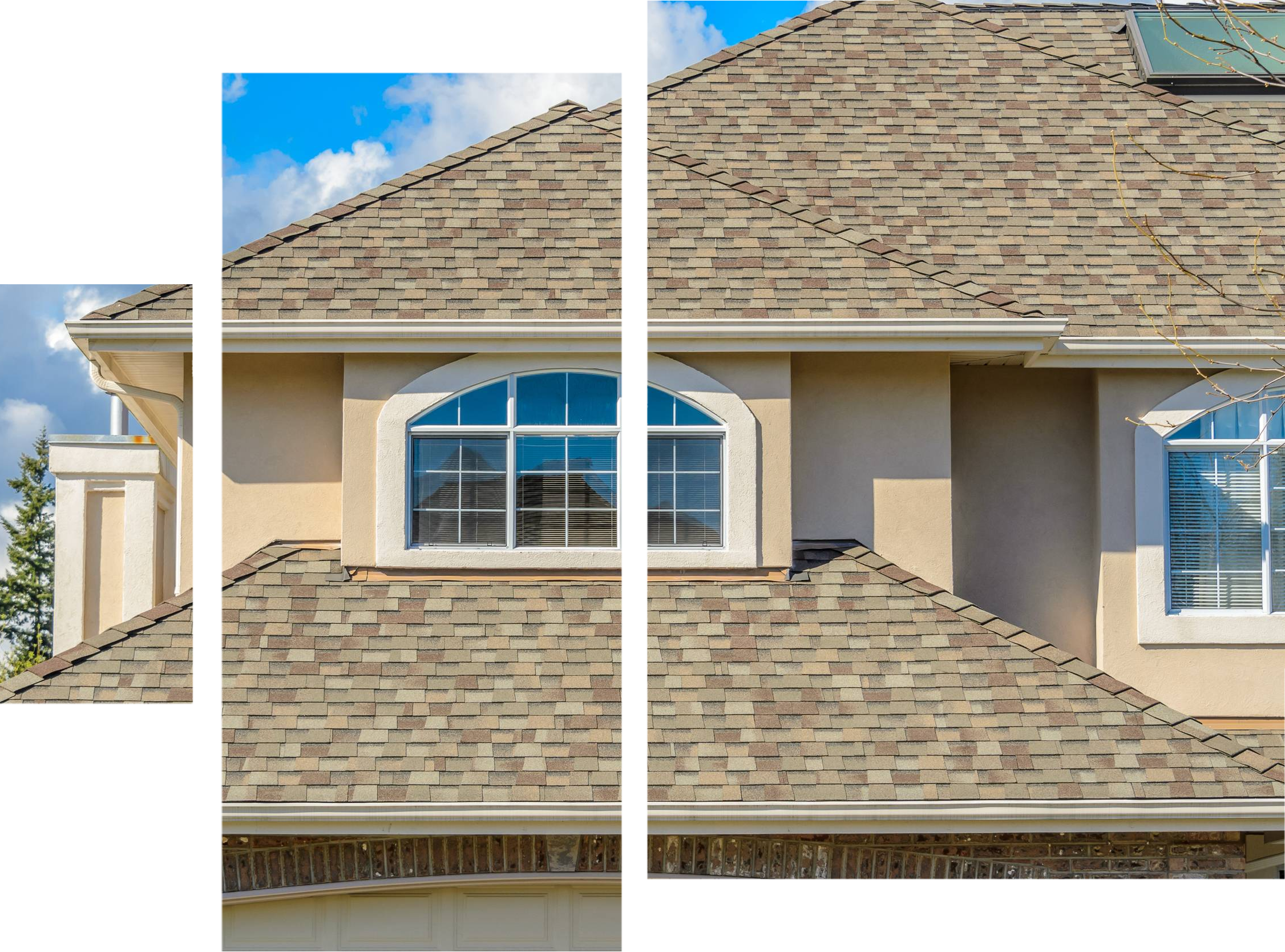
Your Parker Roofing Company
That One Construction Co. serves homeowners across Parker and the surrounding Douglas County communities, including Centennial, Highlands Ranch, Castle Rock, and Lone Tree. If your home absorbed hail in 2018, 2019, or 2023 and you have not had a professional roof inspection since, call us. If your 2004 roof is approaching or past its first replacement cycle, call us for a free inspection. We will tell you what we find, document it properly, and handle the Parker permit and HOA coordination from there.
That One Construction Company
Parker, CO
Parker CO ZIP Codes:
80134, 80138