
Roofing Contractor Littleton, CO
That One Construction Co. works with homeowners in Littleton, CO who need a roofing contractor with real experience handling insurance claims, navigating a permit process that changed significantly in 2024, and replacing roofs on the 1970s and 1980s homes that make up the core of the city. We handle the full process from the initial inspection through the final walk, for homeowners dealing with storm damage or a roof that has reached the end of its run.
Littleton Had Three Major Hail Events in a Single Year
Testimonials
What Our Customers Say
Don't just take our word for it - hear from satisfied customers
Posted on ThumbtackVerified Our experience was absolutely phenomenal from beginning to end, and we couldn’t be happier with our new roof/gutters. The estimate was clear, simple and there weren’t any surprises. I would highly recommend this That One Construction Company if you want expert work, done right, clear & concise communication, and no surprises. Will definitely use them on our next home.Posted on ThumbtackVerified Joe Huber was helpful and communicated effectively. A few employees made a mistake with the service date but cleaned up and were very friendly throughout the process, and then came on the correct date. Joe was open about cost and service from the start and That One Construction did the work for a fraction of the expected cost.Posted on ThumbtackVerified Joe was there when he said he would be, responded promptly to questions via text, and made my scheduling request work. The garage is re-roofed and my gutters are installed. Done and Done. No muss, no fuss and no unexpected costs. Thanks Joe!Posted on ThumbtackVerified Great work for a good price!Posted on ThumbtackVerified Great work, great service, 10/10 would recommendPosted on ThumbtackVerified Joe was incredibly responsive in getting me a fast quote and always responded quickly to my inquiries. His quote was very reasonable and gave me good advice on roofing options. The work was done the day he said it would be and the quality was excellent. Plus, he's a really easy person to get along with and is a genuinely nice guy. I won't hesitate to have him quote any future projects for me!Posted on ThumbtackVerified That One Construction Company did a great job replacing my roof. I had a tight timeframe to complete the replacement and they got it done on time as promised. Joe was very responsive and made the process easy.Posted on ThumbtackVerified Joe was a pleasure to work with: quality work at a fair price, great communication through the process, and a genuine desire to make customers happy. We highly recommend That One.Posted on ThumbtackVerified We received three quotes for our roof and That One Construction Company was the most affordable option. Joe, the owner, had flexible hours for meetings (quote and going over the plan) and he was very knowledgeable understanding our needs. We needed our roof re-decked and there were other requests for new vents and covering old vents. We were very happy with the work and interactions with all the people associated with the company and we would recommend them to others.Posted on ThumbtackVerified 5 Star!!! We hired Joe to be our main contractor after a tree fell on our shop wrecking the deck, the stucco and putting a hole in the roof, plus other misc damage. He did an excellent job managing the project. He handled everything with professionalism and plenty of communication which made the process a lot less stressful. He also did a lot if the work himself, his work was very well done and our shop turned out super nice! Thanks Joe!
Homes Built in the 1970s and 1980s Make Up the Core of Littleton's Residential Neighborhoods
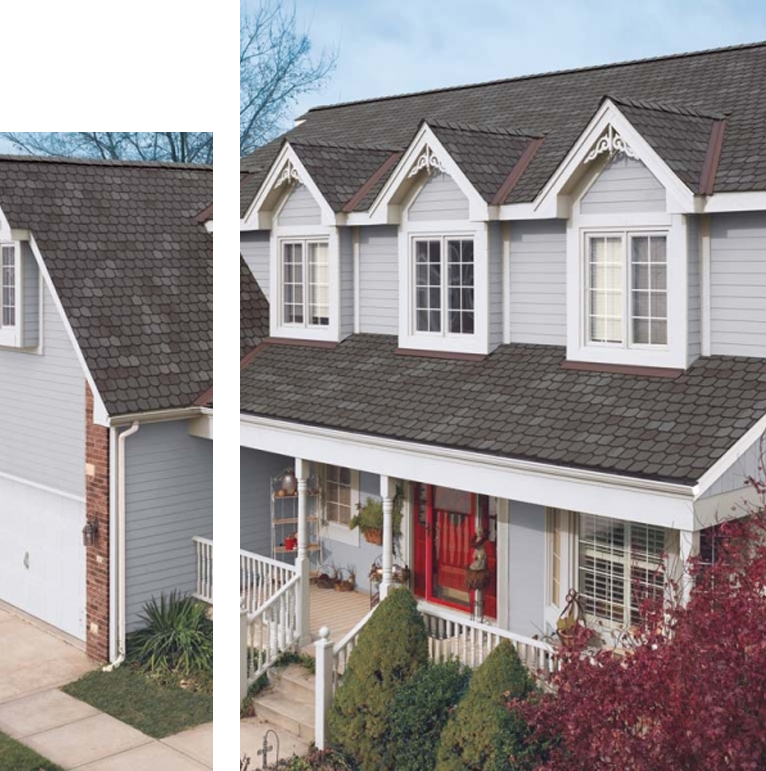
Littleton’s median home build year is 1982. The 1970s and 1980s account for roughly 40 percent of the homes in the city, and homes built before 2000 represent about 77 percent of all units. These are the ranch homes, split-levels, and two-stories that fill Littleton’s established neighborhoods, and many of them are on their second or third roof already.
A home built in 1978 or 1984 is not approaching its first replacement. It is past it. The question for homeowners in those neighborhoods is not whether the roof is original, it never is. It is whether the current installation was done correctly, whether ventilation was addressed when it was last replaced, and whether the materials used were appropriate for Littleton’s hail exposure and altitude UV load at 5,351 feet. Architectural shingles are rated 25 to 30 years. At this elevation, with the South Platte valley storm frequency, that timeline can run shorter than the warranty suggests.
Littleton also has a meaningful share of homes built before 1950, concentrated near the historic downtown core along South Main Street. These homes may contain asbestos-containing material in older underlayment layers. Colorado law requires an inspection and certified removal before re-roofing when asbestos is present. A contractor working in the older neighborhoods near downtown Littleton knows to flag this before tear-off begins, not after.
Hail Damage and an Aging Roof: How Most Littleton Calls Start
The first is storm or hail damage. Given what 2023 looked like for Littleton, and the South Platte valley’s role in channeling foothills storms through the city every season, this is where most conversations start. Hail damage is not always visible from the ground. Granule loss, shingle bruising, cracked pipe jacks, and bent flashing all require a roof-level inspection to document properly. That One Construction Co. will meet your insurance adjuster on-site, document what we find, handle the estimate submission, and stay with the claim through reinspections and disputes if the initial settlement comes in short. We have staff whose job every day is talking with insurance companies. Separate wind and hail deductibles are common in Colorado policies, and those deductibles are often a percentage of the home’s insured value rather than a flat dollar figure. We help homeowners understand what their policy actually says before they commit to anything.
The second reason is age. A roof installed on a Littleton home in the mid-1980s or early 1990s is at or past its rated lifespan, regardless of whether any particular storm is the trigger. We apply the same standard insurance companies use: we do not recommend replacement unless the damage or age warrants it. If your roof in Littleton can be repaired, we will tell you that, even when it costs us a sale. That threshold applies whether you are calling because of last summer’s hail or because your roof has simply run its course.
The South Platte Valley Channels Foothills Storms Directly Through Littleton
Littleton sits approximately 15 miles east of the foothills, and the South Platte River valley runs directly through the city from southwest to northeast. That geography matters. Foothills-generated storms do not have to find their way around terrain to reach Littleton. The valley channels them in. Local contractor documentation identifies the areas near C-470, Chatfield Reservoir, and the Mary Carter Greenway as consistently highest-exposure zones within the city.
At 5,351 feet, hailstones arrive with more force than the same storm produces closer to sea level. There is less atmosphere to slow them down before impact. Eastern Colorado regularly sees stones one to two inches in diameter. The June 2023 event produced two-inch hail within ten miles of the city, and the broader Arapahoe and Douglas County corridor saw tennis ball-sized hail that same day. Combined with Front Range UV intensity at altitude, which degrades shingle granules faster than lower-elevation warranties account for, Littleton roofs operate in conditions that a minimum-grade installation does not hold up to for long.
Littleton Runs on the 2024 Building Code and Changed Its Inspection Policy in July 2024
Littleton adopted the 2024 International Building Code and 2024 International Residential Code via Ordinance No. 11, Series 2025, making it one of the most current code adoptions on the Front Range. A homeowner pulling a permit for a roof replacement in Littleton today is working under the newest code standard available. A contractor who does not know what changed between the 2021 and 2024 IRC is a liability on a Littleton job.
Several requirements are worth knowing before work begins. Six nails per shingle are required, confirmed in Building Division Policy 20-005. Standard four-nail installations do not meet Littleton’s code. No overlay is permitted under any circumstances: full tear-off to the deck is required before re-roofing. One layer maximum. Ice and water shield is mandated by local amendment, appearing five separate times in Littleton’s amendments to the 2024 IBC. This is not a state-level default, it is Littleton’s own codified requirement. The 100 square foot repair threshold is cumulative over a 365-day period, not per project: if cumulative repairs in a year exceed 100 square feet, the work constitutes a roof replacement and requires full permit and code compliance. Older homes with spaced or board sheathing exceeding half-inch gaps must be overlaid with panel sheathing before re-roofing. Work started before a permit is obtained triggers an investigative fee equal to 100 percent of the permit cost, plus potential stop-work orders.
One significant change took effect July 1, 2024: residential mid-roof inspections were eliminated. Prior to that date, a mid-roof inspection at the underlayment stage was required. That requirement no longer applies to standard residential re-roofs. The current structure is a sheathing inspection, required only when deck sheathing is repaired or replaced, and a final inspection once all roofing is installed. For a standard asphalt re-roof with no deck damage, one inspection is required. Some older third-party roofing sites still reference the pre-July 2024 policy. The city’s own July 2024 permit type changes handout is the authoritative source.
That One Construction Co. holds a City of Littleton contractor license and is current on the 2024 code requirements. Permits are submitted through the city’s eTRAKiT portal. We handle the permit, schedule the inspections, and keep the process moving without the homeowner having to manage it.
What That One Construction Co. Does Differently on a Littleton Job
Your Centennial Roofing Company
That One Construction Co. serves homeowners in Littleton and the surrounding south metro, including Columbine, Ken Caryl, and the unincorporated communities of southern Arapahoe County. Our Colorado operation is based nearby, which puts Littleton in our primary service area.
If a storm comes through and you are not sure what your roof looks like, or if your roof has reached the point where replacement is the right conversation, call us for a free inspection. We will tell you what we find and what it means, without pressure toward a particular outcome. That is how we work in Littleton, and everywhere else we work.
That One Construction Company
Littleton, CO
Littleton, CO ZIP Codes: 80120, 80121, 80122, 80123, 80124, 80125, 80126, 80127, 80128, 80129, 80130, 80160, 80161, 80162, 80163, 80165, 80166