
Roofing Contractor Castle Rock, CO
That One Construction Co. works with homeowners in Castle Rock, CO who need a roofing contractor with real experience handling insurance claims, navigating a permit process that requires 100% tear-off to bare deck on every job, and replacing roofs on the 2000s and 2010s homes that make up the core of this town. We handle the full process from the initial inspection through the final walk, for homeowners dealing with hail damage or a roof that has reached the end of its run.tor with real experience handling insurance claims, navigating a permit process that requires a city-specific contractor license and a mandatory mid-roof inspection hold, and replacing roofs on the 1980s homes that make up the core of this city. We handle the full process from the initial inspection through the final walk, for homeowners dealing with storm damage or a roof that has reached the end of its run.
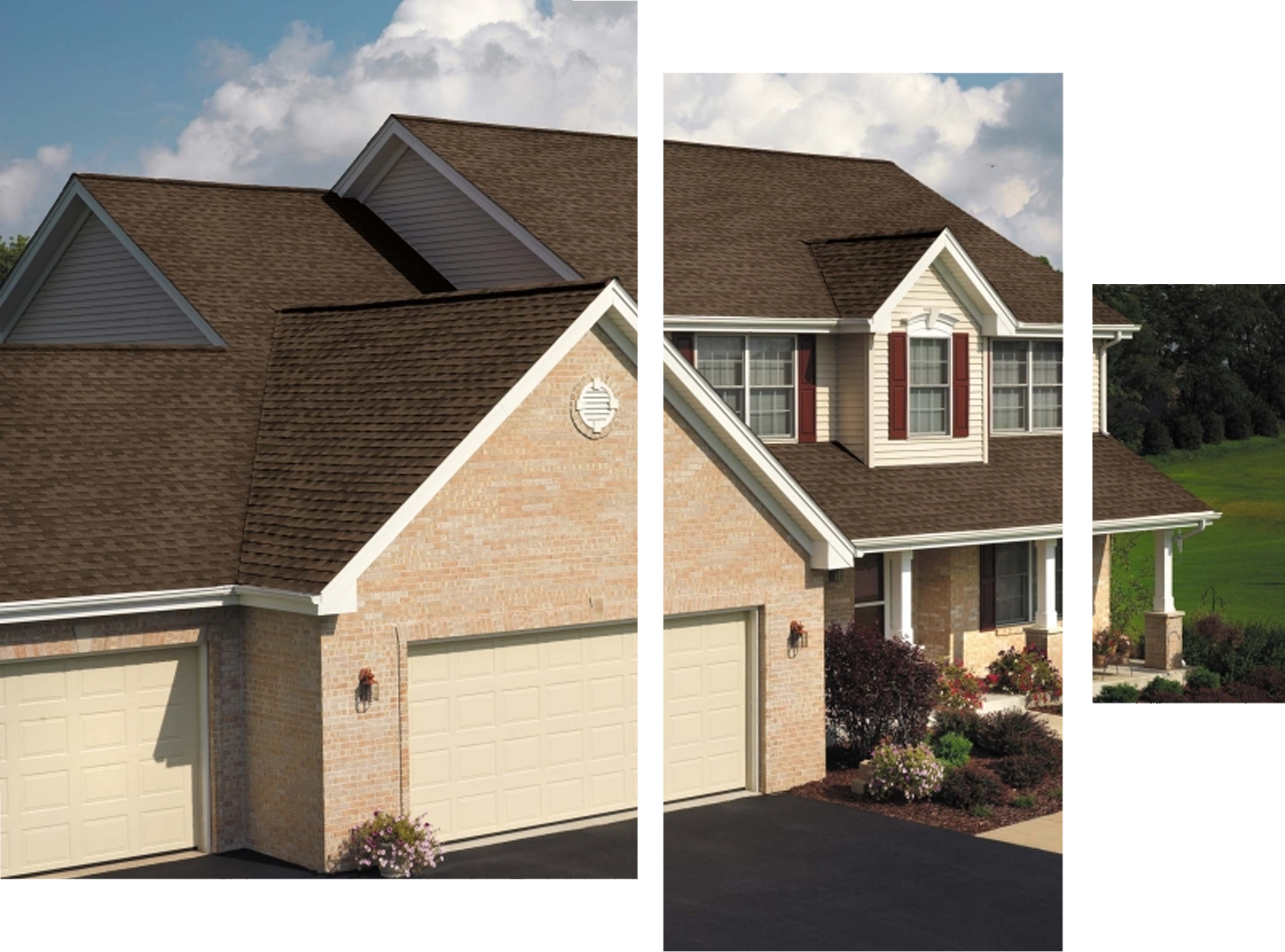
Baseball-Sized Hail Confirmed Near Castle Rock in 2019 as Three Storm Seasons Hit Douglas County in Five Years
On June 8, 2019, the National Weather Service confirmed hailstones measuring 2.5 inches near Castle Rock. That is baseball-sized hail. The same event produced multiple reports of 1.75-inch hail across Douglas County. It was part of a broader Front Range severe weather season that produced more than a billion dollars in statewide insured losses.
2019 was not an isolated year. In June 2023, Castle Rock sat within the path of a multi-day storm system that generated 19 confirmed hail reports within ten miles of town, with the largest measuring 1.75 inches. That system was part of a broader outbreak that caused significant damage across the southern metro and Douglas County. In June 2024, a severe storm with hail and flooding hit Castle Rock neighborhoods directly, with homeowners across multiple areas reporting damage to roofs and property. KDVR Fox31 covered the event with on-the-ground reporting from affected neighborhoods.
Three documented storm seasons across five years is the pattern for Castle Rock, not an exception to it. The Palmer Divide geography explains why. If your home absorbed hail in any of those seasons and you have not had a professional inspection since, that conversation is overdue. Damage at 2.5 inches does not show from the ground. Granule loss, shingle bruising, cracked pipe jacks, and bent flashing only become visible at roof level.
Testimonials
What Our Customers Say
Don't just take our word for it - hear from satisfied customers
Posted on ThumbtackVerified Our experience was absolutely phenomenal from beginning to end, and we couldn’t be happier with our new roof/gutters. The estimate was clear, simple and there weren’t any surprises. I would highly recommend this That One Construction Company if you want expert work, done right, clear & concise communication, and no surprises. Will definitely use them on our next home.Posted on ThumbtackVerified Joe Huber was helpful and communicated effectively. A few employees made a mistake with the service date but cleaned up and were very friendly throughout the process, and then came on the correct date. Joe was open about cost and service from the start and That One Construction did the work for a fraction of the expected cost.Posted on ThumbtackVerified Joe was there when he said he would be, responded promptly to questions via text, and made my scheduling request work. The garage is re-roofed and my gutters are installed. Done and Done. No muss, no fuss and no unexpected costs. Thanks Joe!Posted on ThumbtackVerified Great work for a good price!Posted on ThumbtackVerified Great work, great service, 10/10 would recommendPosted on ThumbtackVerified Joe was incredibly responsive in getting me a fast quote and always responded quickly to my inquiries. His quote was very reasonable and gave me good advice on roofing options. The work was done the day he said it would be and the quality was excellent. Plus, he's a really easy person to get along with and is a genuinely nice guy. I won't hesitate to have him quote any future projects for me!Posted on ThumbtackVerified That One Construction Company did a great job replacing my roof. I had a tight timeframe to complete the replacement and they got it done on time as promised. Joe was very responsive and made the process easy.Posted on ThumbtackVerified Joe was a pleasure to work with: quality work at a fair price, great communication through the process, and a genuine desire to make customers happy. We highly recommend That One.Posted on ThumbtackVerified We received three quotes for our roof and That One Construction Company was the most affordable option. Joe, the owner, had flexible hours for meetings (quote and going over the plan) and he was very knowledgeable understanding our needs. We needed our roof re-decked and there were other requests for new vents and covering old vents. We were very happy with the work and interactions with all the people associated with the company and we would recommend them to others.Posted on ThumbtackVerified 5 Star!!! We hired Joe to be our main contractor after a tree fell on our shop wrecking the deck, the stucco and putting a hole in the roof, plus other misc damage. He did an excellent job managing the project. He handled everything with professionalism and plenty of communication which made the process a lot less stressful. He also did a lot if the work himself, his work was very well done and our shop turned out super nice! Thanks Joe!
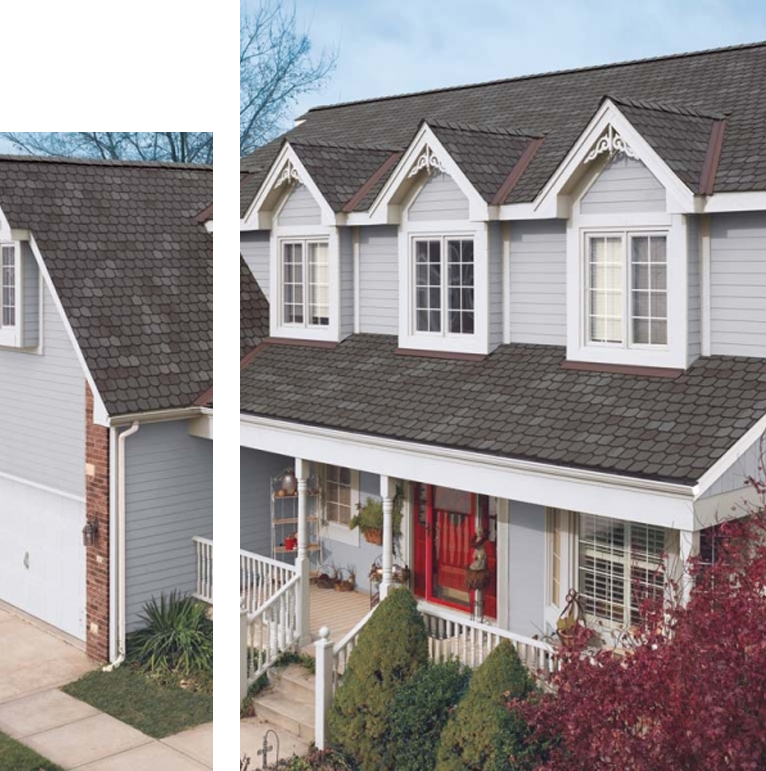
A Town Built Primarily in the 2000s Is Now in Its First Roof Replacement Cycle at 6,224 Feet
Castle Rock’s median home build year is 2006. The 2000s represent the single largest construction decade at 34 percent of all homes, and the 2010s follow closely at more than 30 percent. Together, homes built since 2000 account for nearly two thirds of Castle Rock’s residential stock. Neighborhoods including The Meadows, Crystal Valley, Cobblestone Ranch, Terrain, and Red Hawk Ridge were built out primarily across the 2000s and 2010s, and active construction continues in newer communities on the edges of town.
A home built in 2004 or 2009 is now 17 to 22 years old. Architectural shingles are rated for 25 to 30 years, but at 6,224 feet on the Palmer Divide, with Castle Rock’s documented storm frequency and elevated UV exposure, that countdown runs shorter than the warranty implies. Many of these homes have never had a roof replaced. Homeowners making that decision for the first time, often after a hail event, are navigating a process they have not been through before. That is a different conversation than the one with a homeowner who has replaced a roof twice already, and we handle it accordingly.
Castle Rock is also one of Colorado’s fastest-growing towns, adding homes at roughly 2.7 percent annually. Newer construction in Crystal Valley and Cobblestone Ranch means some roofs in town are less than ten years old. Those homeowners are less likely to need replacement from age, but they are not exempt from storm damage, and many are navigating their first insurance claim without a prior frame of reference.
The Palmer Divide Creates Localized Storm Conditions That Make Castle Rock One of Douglas County's Most Active Hail Markets
Castle Rock sits at 6,224 feet on the Palmer Divide, a ridge of elevated terrain that crosses I-25 between Castle Rock and Monument. The divide is a weather boundary. Warm air moving north from the plains and cooler air descending from the Rockies meet along this ridge, and the collision accelerates storm formation. Storms approaching from the west often strengthen as they cross the divide. Storms developing locally along the divide can intensify faster than radar tracks predict. The result is that Castle Rock regularly experiences hail events that are more intense, or more localized, than what surrounding communities see from the same storm system.
At 6,224 feet, Castle Rock is the highest-elevation city in this research set. Hailstones fall through less atmosphere before impact at this elevation. They arrive with more force than the same storm produces closer to sea level. The town codes to a 115 mph wind rating, which reflects the elevated wind exposure that comes with both altitude and Palmer Divide exposure. Ninety-two confirmed hail reports within ten miles of Castle Rock since 2004, with the largest stone recorded at three inches. That is the baseline this town operates under.
Ice and water shield is required in Castle Rock. At 6,224 feet, with the Palmer Divide’s documented storm exposure, the climate table in the locally adopted code designates Castle Rock as a jurisdiction where ice barrier at eaves and valleys is a code requirement. This puts Castle Rock in a different category from lower-elevation Douglas County communities where ice shield is not required.
Castle Rock Requires 100% Tear-Off to Bare Deck on Every Re-Roof, No Exceptions
Castle Rock’s re-roofing code is among the strictest in the Denver metro on one specific point: every existing layer of roofing material, including underlayment, must be removed before new material goes down. No overlays. No partial tear-offs. The deck must be bare before installation begins. A contractor who installs over existing material in Castle Rock is out of compliance and will not pass inspection.
This requirement increases job scope relative to jurisdictions that allow overlays. For homeowners, it also means the inspection is more thorough. When the deck is exposed, the inspector and the contractor can see what is actually underneath: deck condition, any soft spots, how previous flashing was run, whether ventilation is correctly configured. Problems that an overlay would have covered get addressed before the new roof goes down. That is a better outcome for the homeowner regardless of what the code requires.
Castle Rock requires contractor registration before any permit is issued. Contractors must hold a valid license from a jurisdiction with an ICC-equivalent exam and register that license with Castle Rock’s building division through the eTRAKiT portal. A contractor who holds a current Denver or Jefferson County license can register in Castle Rock without retesting, but the registration must be active and current before any permit application is submitted.
All re-roofing requires a permit. Residential roof permits do not require plan review and are issued quickly through the eTRAKiT portal, which accepts applications around the clock. Two inspections are required: a mid-roof inspection and a final inspection. For the mid-roof, the standard path is to leave ten percent of the roof uncovered on separate facets for the inspector to review. An alternative path using a stamped engineer or architect letter exists but is not guaranteed to be accepted by the building official. Shingle packaging must be on-site and available for the inspector at the mid-roof visit. Inspections can be scheduled through the eTRAKiT portal by 6:30 AM for same-day, or by calling the inspection hotline by 3:30 PM for the following business day.
The town’s code also requires ice and water shield at eaves and valleys, drip edge on eaves, and a 115 mph wind speed rating for installed materials. Permits expire if inspections are not completed within 180 days of issuance. HOA approval is required across virtually all of Castle Rock’s master-planned communities and runs parallel to the permit process. Building code does not regulate aesthetics. HOA requirements are separate, and That One Construction Co. treats HOA coordination as a standard step on every Castle Rock job.
Why Castle Rock Homeowners Work With That One Construction Co.
We have dedicated staff whose primary job is communicating with insurance companies every day. Not a project manager who handles claims on the side. Staff whose job, every day, is understanding policy language, submitting documentation, following up on reinspection requests, and pushing back when an initial settlement does not reflect what the damage warrants. In Castle Rock, where three documented storm seasons across five years have affected a large share of 2000s homes now approaching their first replacement cycle, that documentation work matters from the first call. We do not leave it to the homeowner to navigate.
We install CertainTeed ShingleMaster products as our preferred roofing system. CertainTeed’s SureStart Plus warranty activates only through a ShingleMaster-certified contractor and provides coverage that standard manufacturer warranties do not. For a Castle Rock homeowner making a first replacement decision on a 2006 home at 6,224 feet, the materials going on that roof need to perform under real Palmer Divide conditions, not warranty language written for lower-elevation markets. We document every installation to that standard.
When the crew leaves a Castle Rock job, the property looks like we were never there. Landscaping is protected before the first layer comes off. Garage doors are boarded. Magnet passes cover the yard and driveway before we call the job done. Castle Rock’s 100% tear-off requirement means more debris comes off every roof here than in jurisdictions that allow overlays. That cleanup standard does not change with the size of the tear-off. It is how we handle every job.
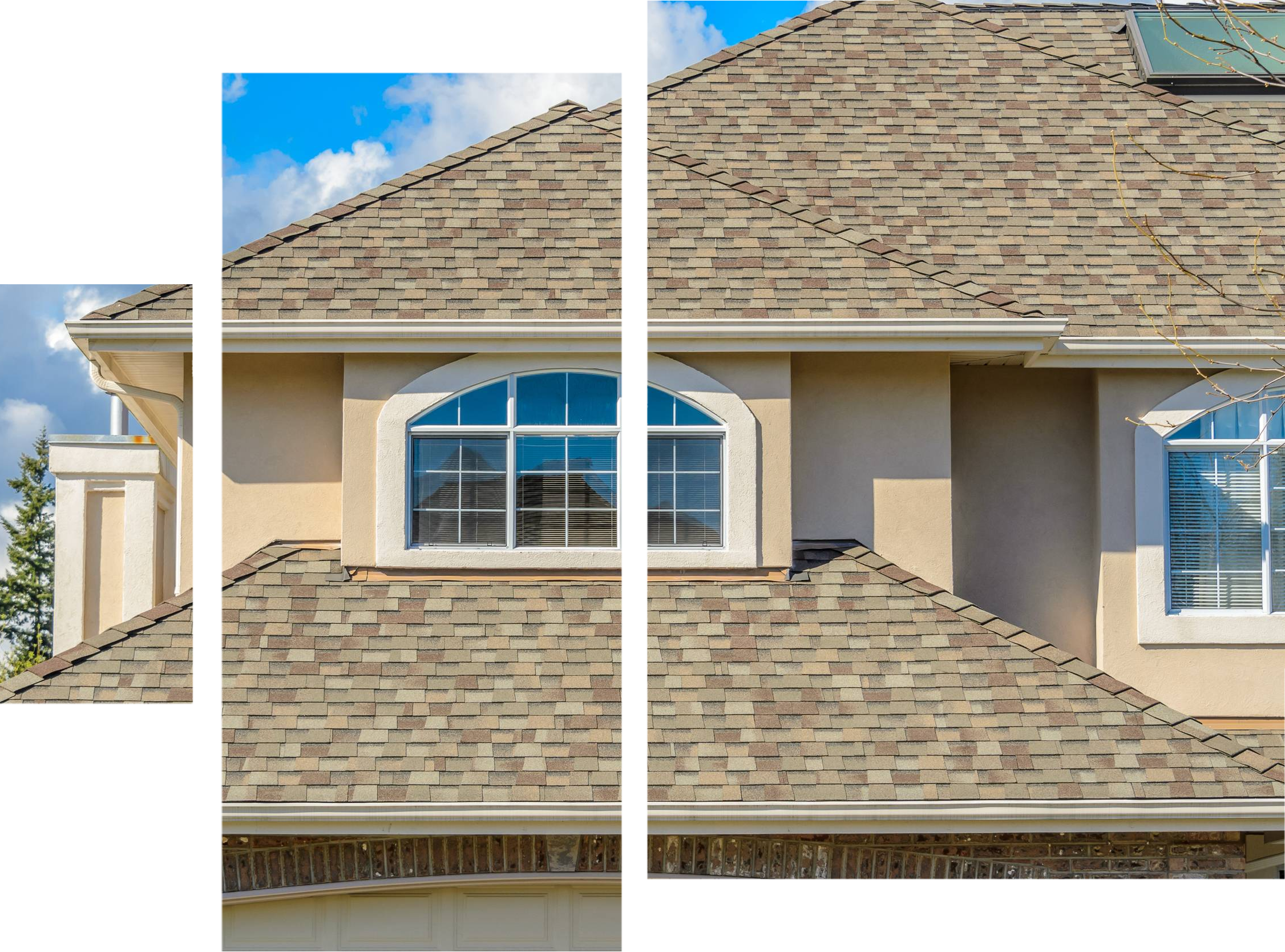
Your Castle Rock Roofing Company
That One Construction Co. serves homeowners across Castle Rock and the surrounding Douglas County communities, including Castle Pines, Lone Tree, and Highlands Ranch. If your home was in the path of the 2019, 2023, or 2024 storms and you have not had a professional roof inspection since, call us. If your 2000s roof is approaching its first replacement cycle, call us for a free inspection. We will tell you what we find, handle the Castle Rock permit and registration process, and coordinate HOA approval from there.
That One Construction Company
Castle Rock, CO
Castle Rock CO Zip Codes: 80104, 80108, 80109